A Disciple’s Dilemma: Does Our Political Support Align with the Words of Christ on the Vulnerable?

As followers of Christ, we often find ourselves standing at a busy intersection where our faith and politics meet. It’s a place of loud voices, strong loyalties, and, if we are honest, a fair amount of personal tension. We want to be good citizens, but above all, we want to be good disciples.
How can our faith be reflected in our politics, especially in regard to immigration and children?
Lately, the conversation around immigration has become one of the most heated topics in our nation. It’s easy to get caught up in the talking points of political leaders and religious leaders we’ve supported for years. But perhaps it’s time to take a step back from the news cycle and sit quietly with the words of the One we call Lord.
If Jesus were visiting immigrant detention centers today, what would He see in terms of mistreatment and abuse?
And more importantly, how would He ask us to respond?
He has already given us the answer to that question:
“in as much as you have done it unto one of the least of these my brethren, you have done it unto me.”
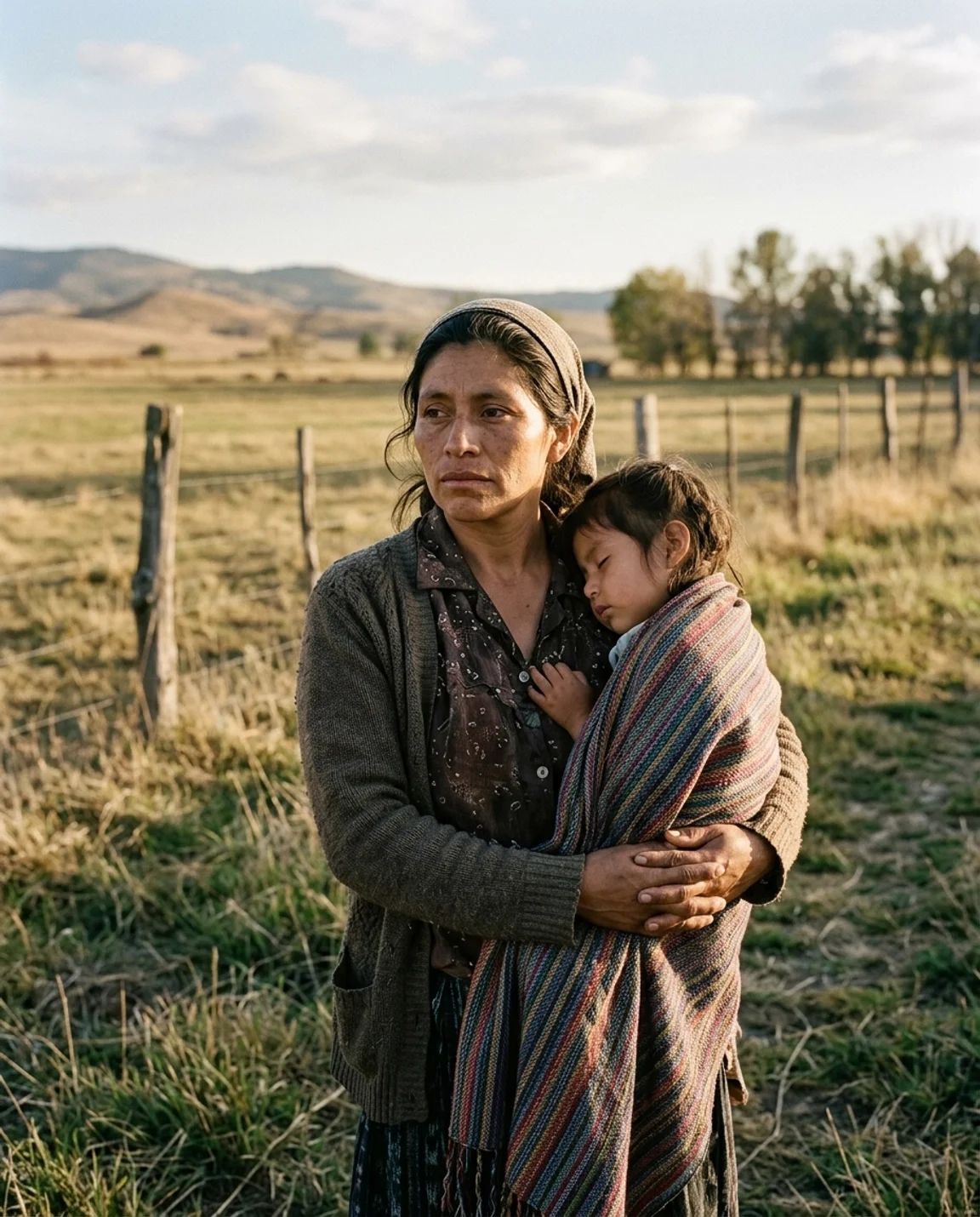
There are now many credible reports about the conditions in detention centers: the "ICE holding cells" and the expanded facilities designed to hold thousands in cages crammed with 30 people and a single open toilet. Sometimes, the scale of the numbers makes it hard to see the individual faces.
In these facilities, human beings are often treated more like inventory than people made in the image of God. Reports describe stale air, lights that never dim, and the sheer psychological weight of systematic neglect. This environment of abuse is a far cry from the compassionate response Jesus modeled for us.
Reports from the last few years show that children have been held in federal shelters for months, sometimes over a year, far exceeding the treatment standards we would want for our own kids. Families have been held in overcrowded facilities in substandard conditions. Learn more about the experiences of children in ICE detention in this investigative report.
"For I was hungry and you gave me something to eat, I was thirsty and you gave me something to drink, I was a stranger and you invited me in." —- Matthew 25:35
When we read these words, we see Jesus identifying Himself directly with the "stranger." He doesn't mention their legal status, their country of origin, or their political leanings. He simply points to their humanity, and His desire that they be met with caring responsiveness and respect.
If your own family were fleeing danger and you found yourselves having to adapt to life in a new country to survive, what kind of treatment would you hope for from a "Christian nation?"
The Question of Justice and Due Process
One of the most concerning shifts in recent policy involves the erosion of due process. We see thousands of people being fast-tracked for removal without ever speaking to a judge. These policies turn our legal system into a conveyor belt of exclusion rather than a search for truth and justice.
For many of us, the idea of "law and order" is important. But as Christians, we also know that God is a God of truth and justice. Human rights are not something granted by a government; they are inherent to us because we are made in the image of God.
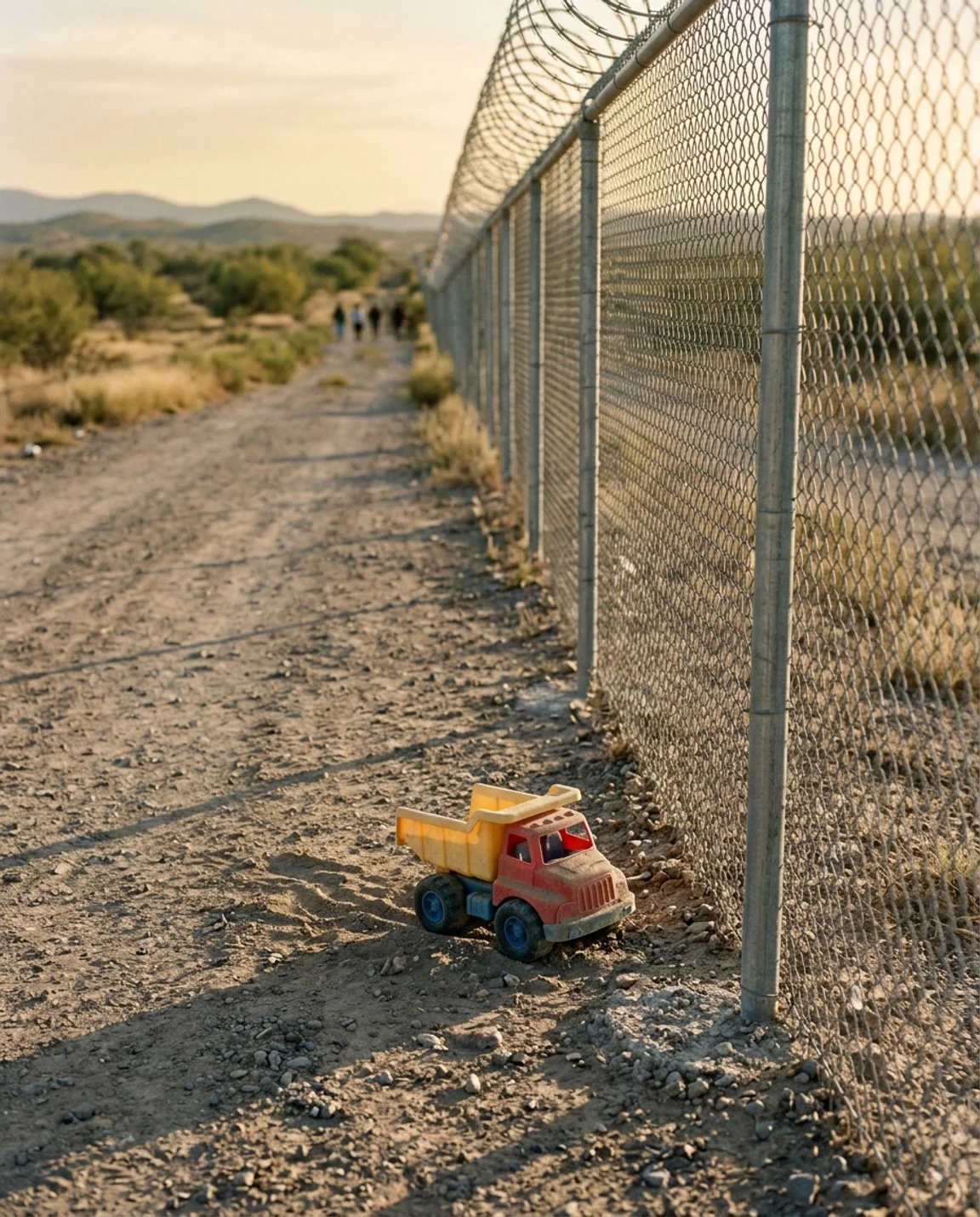
Do you believe that every person, regardless of where they were born, deserves the basic right to a fair hearing and respectful treatment?
If our leaders are treating those that Jesus loves abusively and without due process, what do you believe Jesus is calling you to do about it?
Deportation and the Safety of Our Neighbors
One heartbreaking aspect of current immigration policy is the deportation of individuals to places where their lives are in immediate danger. Many responsible members of our own communities are being sent to countries where they face torture, violence, or death.
Jesus' command to "love your neighbor as yourself" (Mark 12:31) doesn't come with a map or a boundary line. In the Parable of the Good Samaritan, Jesus explicitly shows us that our "neighbor" is often the one we are taught to fear or exclude.
If you knew that your support for a policy would result in someone being sent to a place where they might be tortured or killed, how would that change your support for that policy?
In Matthew 25, Jesus tells us that our treatment of the most vulnerable is how we treat Him.
Why would you want to ensure that Jesus, in the guise of immigrants, is treated with respect and due process, as though His safety and well-being matters?
If you voted for leaders who are implementing policies in contradiction with the values Jesus teaches us, what can you do now to make it right?
The Empty Seats in Our Pews

Often, the people impacted by these policies aren't "faceless masses" at the border. They are the people who have lived among us for decades. They are parents with no criminal records, hard-working neighbors, and maybe even fellow believers who sit in the same pews we do.
When ICE secret police or raids at homes and schools pull people away from their families, it leaves a hole in the community and in the Body of Christ.
How do we reconcile our call to be "salt and light" with the reality that our political support might be harming the very people we are called to love?
What would it take for you to be willing to prioritize treating every person with the love and respect Jesus calls us to, over prioritizing political loyalty or loyalty to religious leaders?
What would prioritizing Jesus’ words about this look like?
If you would make that kind of stand, what kind of impact might it have on our country, and on your witness to the world?
Finding a Way Back to Jesus’ Words
Understanding what the Bible says about immigration isn't about being "liberal" or "conservative." It’s about being "biblical." It’s about asking ourselves hard questions and being willing to listen to the answers our own consciences provide.
If we were called to choose between our faith and our politics, for a disciple, there is no choice: Christ must always come first. If a policy or a leader stands in direct contradiction to the words of Jesus, we have an opportunity and a responsibility: to realign ourselves with His heart.
Jesus' teachings related to immigration and immigrants are not hidden. They appear throughout the Gospels, calling us to His standard of mercy, truth, and love.
On a scale of 1 to 10, how likely is it that you will align your political support with Jesus' command to treat the foreigner as you would treat Him?
If you decided to do that, what would be the first step you’d take?
We invite you to explore these questions further. This isn't about judgment; it's about restoration. It’s about making sure that as we stand before Him, our actions reflect the love He so freely gives to us and calls us to give. To learn more about how we can align our political lives with Jesus’ words explore our website. What is Jesus asking of you today?